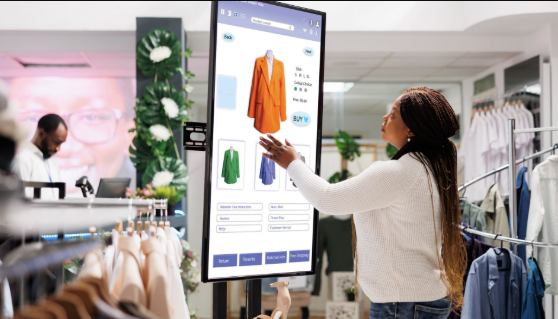
E-Commerce vs Physical Retail
E-commerce and physical retail deliver distinct value under different channel dynamics and cost structures. Online channels emphasize reach, speed, and data-driven personalization, while brick-and-mortar rely on immediacy, experiential design, and trust signals. A balanced strategy hinges on cross-channel synergies, unified pricing, and real-time inventory. The path to profitability rests on measurable experimentation, omnichannel orchestration, and a clear framework for inventory velocity and fulfillment agility—yet the optimal mix remains nuanced and data-dependent.
What E-Commerce and Physical Retail Really Deliver
E-commerce and physical retail deliver distinct value propositions shaped by channel dynamics, consumer behavior, and cost structures.
The analysis emphasizes e commerce fundamentals, conversion metrics, and fulfillment speed versus in-store immediacy, with physical retail psychology guiding experiential design and loyalty signals.
A data-driven lens reveals cross-channel synergies, cost tradeoffs, and freedom-seeking shoppers optimizing accessibility, trust, and personalization at scale.
How to Decide Between Online, In-Store, or a Hybrid Approach
When choosing among online, in-store, or hybrid approaches, teams should start with a structured decision framework anchored in customer behavior, cost-to-serve, and fulfillment latency. Data-driven signals quantify online optimization benefits and in store engagement, revealing optimal channel mix.
Scalable metrics, scenario planning, and rapid experimentation enable freedom fighters to align CX with profitability, inventory velocity, and fulfillment agility.
The Shared Tactics That Boost Both Channels
Across both online and physical channels, there are shared tactics that consistently lift performance when applied with measured discipline. Robust analytics reveal cross-channel lift from unified pricing, synchronized promotions, and real-time availability signals. Practitioners monitor synergy metrics to quantify cross-pollination effects, while investment in inventory synchronization reduces stockouts and overstock. disciplined experimentation accelerates learning, guiding scalable, freedom-loving teams toward balanced, measurable growth.
A Practical Path to Seamless Omnichannel Experiences
Organizations quantify touchpoints, align data schemas, and automate inventory, pricing, and fulfillment.
Ghost selling risks are mitigated by transparent analytics; drone delivery pilots reveal speed, reliability, and cost metrics.
Freedom-focused metrics guide investments, interoperability, and customer-centric experimentation across channels.
Frequently Asked Questions
How Do Returns Differ Between Online and In-Store Purchases?
Online returns often exceed in-store, driven by convenience and generous policies; metrics show higher reverse logistics costs and longer processing times for e-commerce, while in-store yields faster refunds, simpler RMAs, and tighter returns policy differences.
Which Channel Drives Higher Overall Customer Lifetime Value?
“Dollars dance between channels.” The channel with higher lifetime value depends on margins and mix; lifetime value vs margins vary by cohort. Channel mix dynamics show online often leads, yet physical touchpoints sustain enduring profitability for freedom-seeking brands.
What Are the Hidden Costs of Omnichannel Fulfillment?
Hidden costs emerge in omnichannel fulfillment, including integration, returns, and inventory carrying. Data privacy concerns persist, while cross channel metrics require robust instrumentation; these factors constrain agility, yet empower strategic freedom with transparent, data-driven decision making.
See also: luxuryinteriorsorg
How Is Data Privacy Managed Across Channels?
A roller-skating mapper would notice that data privacy is governed through cross channel privacy governance, consent management, and centralized controls. The analysis shows metrics-driven policies, with transparent dashboards, risk scoring, and privacy-by-design reinforcing freedom-minded, data-driven decision making.
What Metrics Best Compare Online and Offline Performance?
Online and offline performance are best compared via engagement benchmarks and margin variability, with cross-channel attribution clarifying lift. The data-driven approach emphasizes consistent KPIs, real-time dashboards, and tech-forward metrics that empower freedom-seeking stakeholders to act decisively.
Conclusion
In sum, the data screams that the optimal retail mix is an omnichannel engine—calibrated to harvest velocity, margins, and loyalty. E-commerce brokers unparalleled reach and personalization metrics; physical retail delivers immediacy, trust signals, and experiential conversion. When synchronized, promotions, pricing, and inventory flow like a supercharged dataset, delivering near-perfect availability and user journeys. The forecast: a revenue uplift measured in double-digit percentage points, with cost-to-serve compression and a customer lifetime value curve that climbs relentlessly. Omnichannel isn’t optional; it’s the KPI engine.